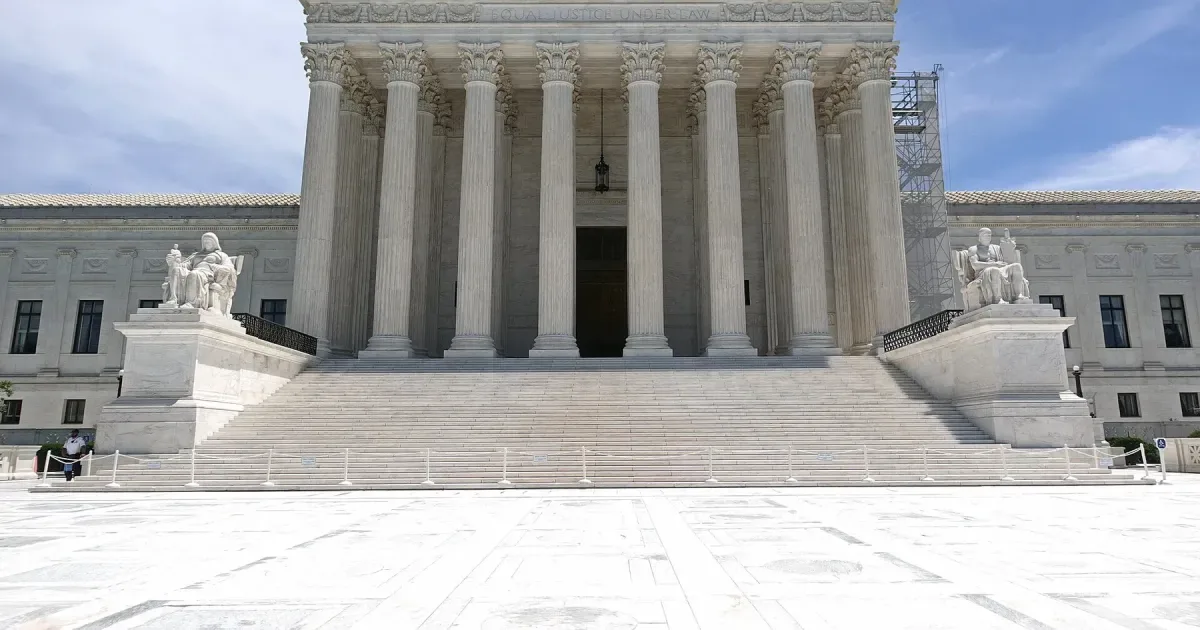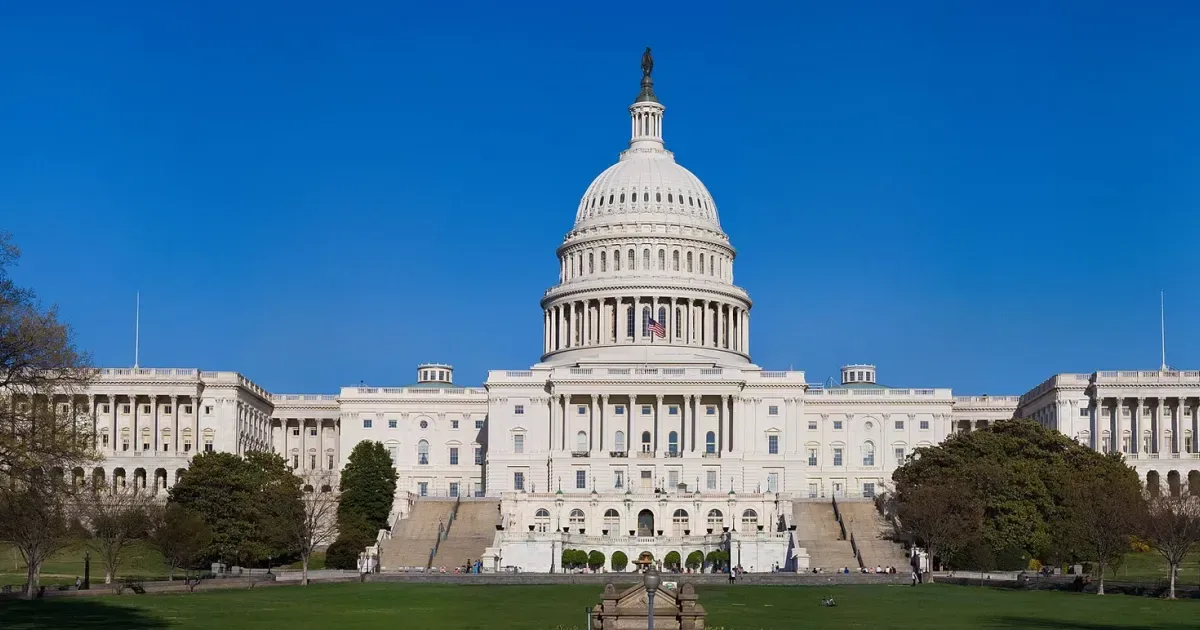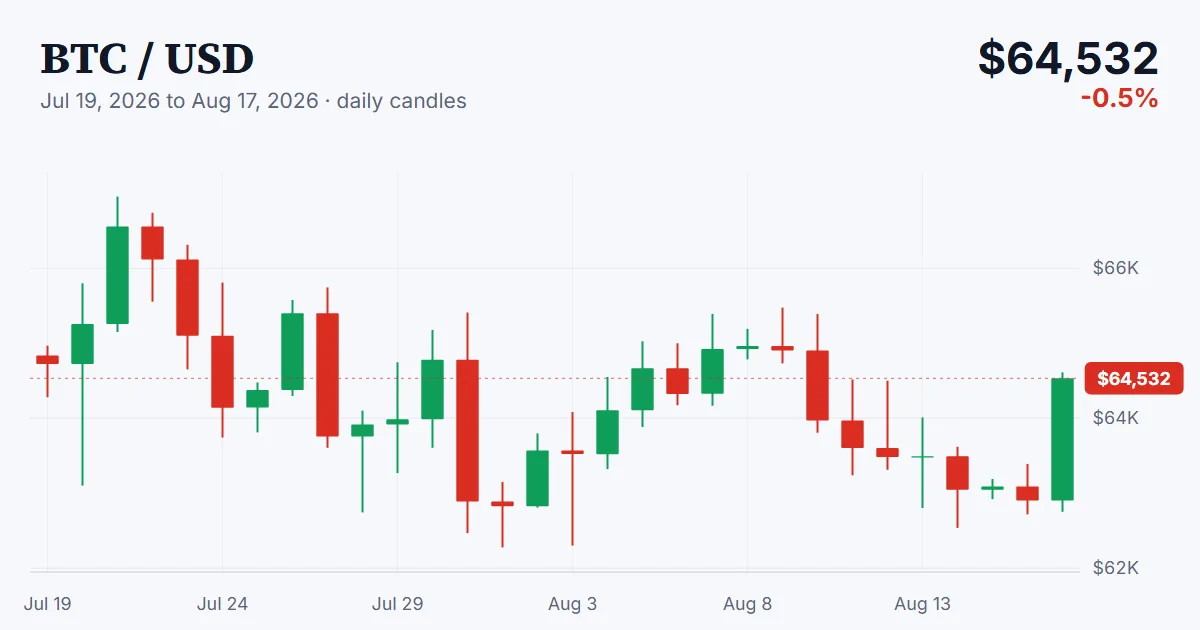
The week nobody in Washington scheduled a vote for is somehow the busiest one on the crypto calendar. On Tuesday, August 19, the White House convenes industry executives at the Eisenhower Executive Office Building; on Wednesday the CFTC's new Innovation Advisory Committee holds its first session; and hanging over both, a Senate procedural vote now four weeks out that prediction markets have quietly marked down to a one-in-five shot. Bitcoin, for its part, spent the weekend doing what it has done all month: holding the floor. The price sat at $62,819 on Sunday, down a third of a percent, with ether at $1,874, per Rio Times data, and Monday's expected band runs roughly $62,300 to $64,000, per Sunday Guardian analysis. Thin weekend tape, cautious ETF demand, and a market that has learned to stop front-running Washington.
The guest list is the story
The attendee roster that firmed up over the weekend, per Bitcoin.com News, is worth reading in full because of how deliberately it mixes worlds. Crypto natives: Coinbase, Ripple, Kraken, Gemini, Robinhood. Prediction markets: Kalshi and Polymarket, whose invitation lands while its token plans still sit unpublished. Old-world market plumbing: NYSE, Nasdaq, DTCC and CME Group. Capital: a16z and Paradigm, plus Chainlink from the infrastructure side. And the government seats are not staffers but principals: SEC Chair Paul Atkins, Treasury Secretary Scott Bessent, Commerce Secretary Howard Lutnick. President Trump is expected to participate, though the White House has not officially confirmed his attendance and no final list has been released.
The framing matters as much as the names. The session is explicitly a precursor to Wednesday's inaugural meeting of the CFTC's 35-member Innovation Advisory Committee, chaired by CFTC Chairman Mike Selig and titled Crypto's Regulatory Evolution: From Uncertainty to Clarity. That is the same choreography we mapped when the SEC canceled its own Regulation Crypto vote ten days ago: the securities regulator going quiet while the commodities regulator books the room, hires the committee and prints the mission statement. An advisory session produces recommendations, not rules. But when the executive branch summons the DTCC and Nasdaq to sit next to Kalshi the day before, the sequencing reads less like a listening tour and more like a handover being staged in public.
A one-in-five bill with an 88 percent vote
The number hanging over the handshakes is 19. That is the probability, per crypto.news citing Polymarket as of August 14, that the Clarity Act becomes law in 2026, down from an 82 percent peak in February when the bill looked like a spring formality. The slide has been long and almost uninterrupted: a record-low 32 percent in mid-July, a brief spike to 43 when the ethics fight was reported resolved, then straight back down as the Senate left for recess without filing cloture. The odd detail is that a separate contract prices 88 percent odds the Senate at least votes on the bill before October 1. Traders believe the September 15 procedural vote happens; they just do not believe it clears the 60-vote threshold, or that a wounded bill finds floor time again before the midterm season eats the calendar. The House's 294 to 134 passage in July 2025 is starting to feel like a different era.
That gap between vote-happens and bill-passes is exactly what Tuesday's meeting is for, at least on the industry's reading of it. Every firm at that table has spent two years lobbying for the jurisdictional split the bill draws, spot commodity markets to the CFTC, securities to the SEC, and the fallback now taking shape is visible in the room itself: if Congress cannot deliver the split by statute, an aligned SEC, CFTC and Treasury can approximate it by coordination. Our honest read is that this fallback is real but fragile. Everything built by agency alignment can be unbuilt by the next alignment, which is the same caveat we attached to Regulation Crypto's disappearance. The market seems to have absorbed that lesson too: bitcoin added four percent in a day on the July odds spike, and it greeted this week's summit news with a fraction of a percent. A market that once traded every Washington headline now waits for Washington to actually do something, and September 15 is the first date on the calendar where doing something is even possible.