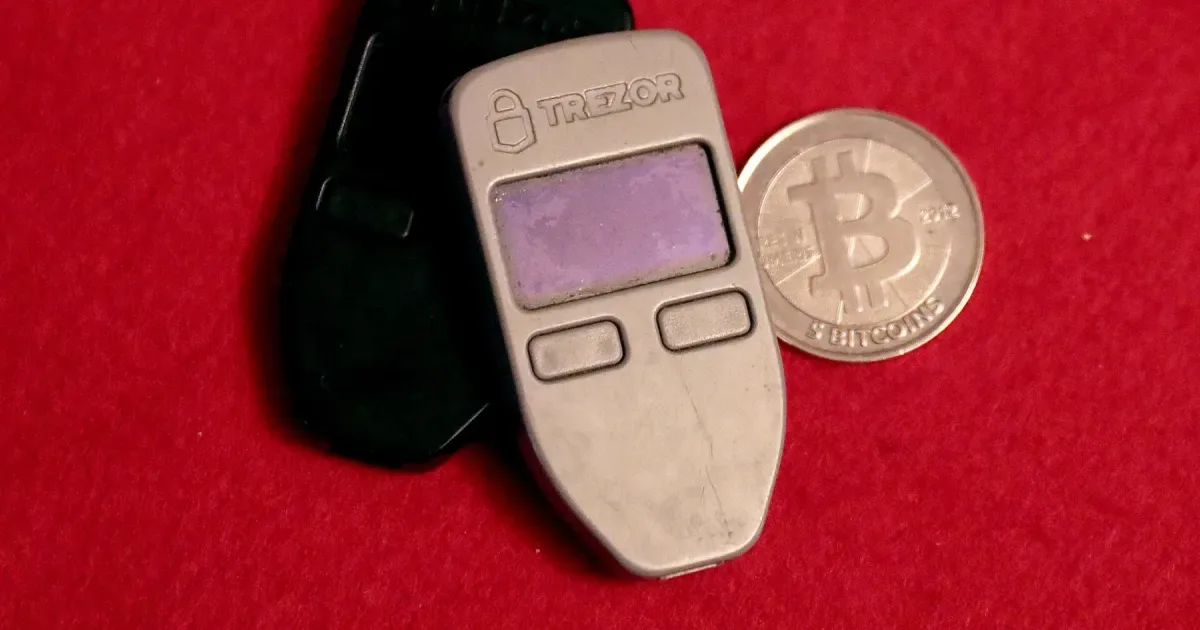
Crypto wallet security in four decisions and one habit
Most wallet theft targets people and process, not cryptography. Four decisions and one monthly habit cover the attacks that emptied wallets in 2025 and 2026.
The mechanics behind the news: how an airdrop is decided, how a listing reaches an exchange, how to read a token's supply schedule and how to keep your keys. Each guide is checked against primary sources and updated when the rules change.
Most wallet theft targets people and process, not cryptography. Four decisions and one monthly habit cover the attacks that emptied wallets in 2025 and 2026.
A listing opens a token to an exchange's customers, usually in set stages. Each stage has rules you can read in the notice, and the price reaction ranges from flat to...
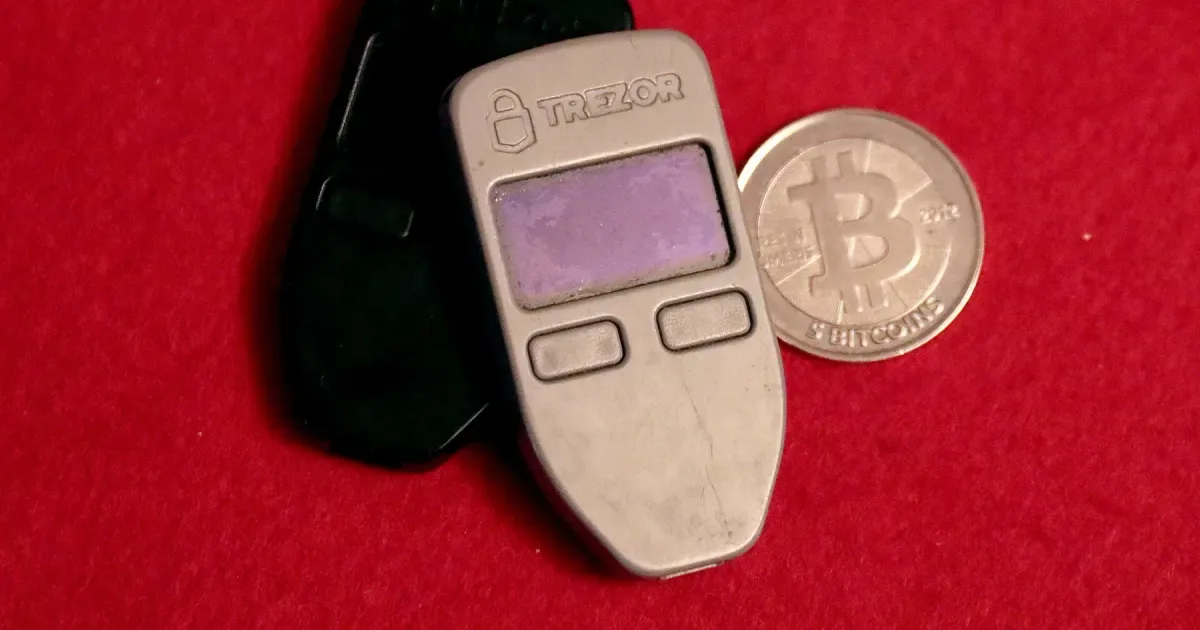
Farm from a separate wallet that holds only what a campaign needs, keep long-term funds on a hardware wallet, and review token approvals monthly. The setup takes an...
A real airdrop can cost network gas but never a fee to the project or your recovery phrase. Scams ask for one or the other, or for a signature that hands over your...
Three public numbers show how much of a token trades today, how much is still locked and when it arrives. Monad's October 2026 figures work as a worked example.
Airdrops pay wallets for past or ongoing use of a product. The pool is fixed, the crowd is large, and a real claim never asks for a fee or a recovery phrase.
A daily flow records a change in a fund's share count, not a purchase on an exchange. This guide shows how the figure is made, where to find it and how to read a real...
A claim page can ask your wallet for a transaction, a signature or an approval, and they are not the same. Run these five checks, with prompts walked through.
Perpetual futures never expire, so funding and margin rules decide how long a position survives. One $10,000 trade is worked through to its liquidation price, with five...

A share priced at 0.62 costs $0.62 and pays $1 if the event happens. The price is a quote, not a forecast, and the rules behind it decide whether a win gets paid.
Fiat-backed, crypto-collateralised and algorithmic stablecoins fail in different ways. This guide checks reserves, two depegs, GENIUS and MiCA status, and a risk...

Teams score activity with points, then group wallets by funding source and behaviour to drop sybils. Public write-ups show what is known and what is not.
The bill sorts tokens into securities and commodities, splits oversight between two agencies and fights over stablecoin yield, DeFi and ethics. The Senate has not passed...
The US taxes airdropped tokens you control as income. The UK and Germany ask what you did in return. France taxes sales, and we found no airdrop rule.