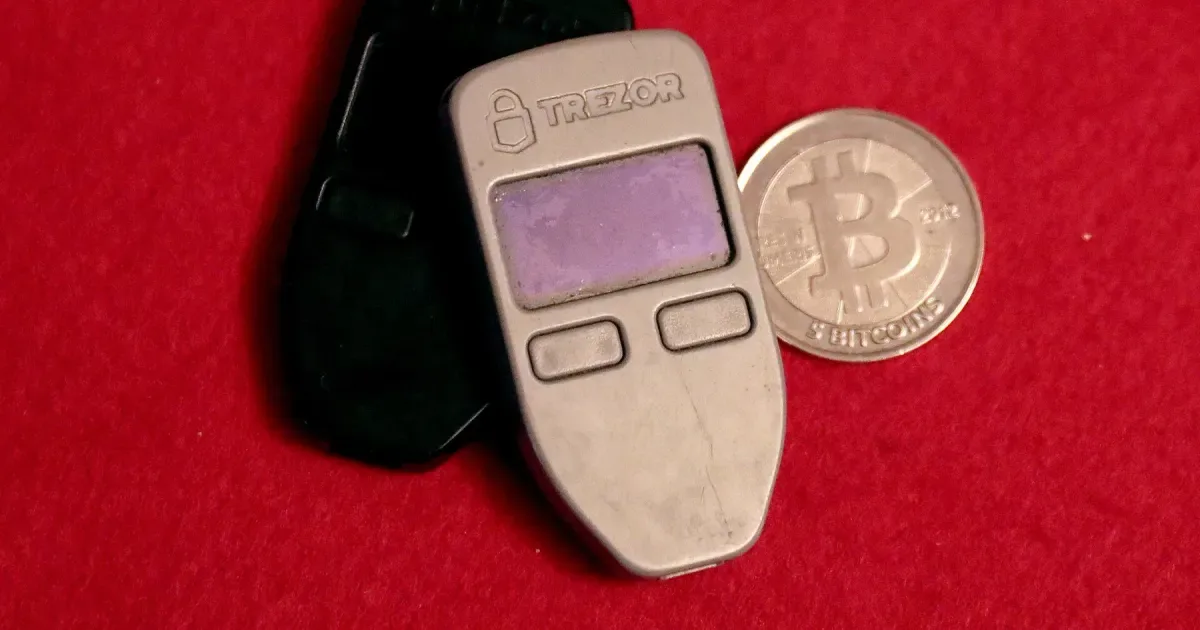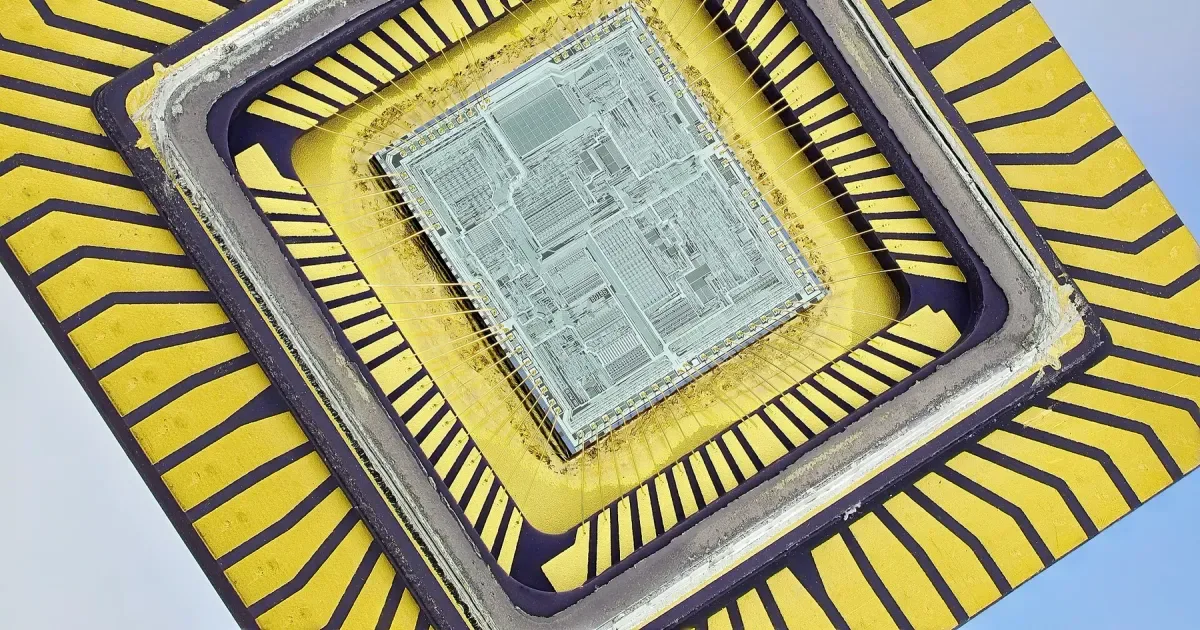
Ledger said on October 10 that one drained customer's device "contained an unauthorized hardware implant". The device came from CryptoBilis, the reseller Ledger lists for Indonesia, Malaysia and the Philippines. A day earlier Ledger had asked CryptoBilis to pause all sales and shipments. On-chain trackers count between $72 million and $93 million drained since October 9.
Ledger's October 9 advice is specific. Anyone who bought from CryptoBilis in the last 90 days and has not set the device up should not start. Anyone who already did should consider moving assets to a new Ledger device with a new seed. Ledger says it has "no indication that Ledger's security infrastructure, systems or services have been compromised", and that it is working with authorities and the SEAL 911 volunteer response group.
How a tampered device defeats a hardware wallet
A hardware wallet protects you by generating the 24-word recovery phrase inside the device and never sending it anywhere. A physical implant breaks that promise at the source. If a hidden board can watch the screen or the keys during setup and send the words out, the attacker holds the seed from day one. Every deposit that follows is already theirs to take.
That reading is our analysis of the public evidence, not a Ledger finding. Ledger has not described the implant, said how many devices carry one, or tied it to every reported loss. Gizmodo reported on October 9 that Mark Karpelès, the former Mt. Gox CEO, posted photos of a device bought in Malaysia with a hidden board under the screen padding, an LTE module and an antenna. Ledger has not said whether its confirmed implant matches those photos.
The on-chain pattern fits a pre-known seed. Bitquery timed the first drain at 04:59 UTC on October 9 and saw 25 TRON wallets sign the same approval within 3 seconds, with about $29 million moved within 6 seconds. Victims had funded those wallets over weeks, and the attacker emptied them in one coordinated sweep rather than one phishing victim at a time.
TRON wallets emptied in synchronized batches.
CryptoBilis asked to pause sales. 90-day buyers warned.
One affected device held an unauthorized implant.
Bitquery and Yfarmx both count about $93 million.
Why the loss figures disagree
Four trackers have published four totals, and the gaps are about method, not error. On October 9 tanuki42 counted more than $72 million and Specter more than $86 million across Bitcoin, Ethereum and TRON, The Block reported, adding that it was unclear whether the two sets overlapped. Gizmodo's $71.5 million breakdown counted $29.4 million in ether, $17.5 million in bitcoin, $13.6 million in USDD and $10.8 million in USDT.
By October 11 Bitquery counted $93.2 million from 315 wallets on six chains, and Yfarmx $93.4 million across 471 addresses, per Bitcoin.com News. Bitquery's split by origin chain is TRON $70.5 million from 131 wallets, Bitcoin $16.8 million from 122, Ethereum $3.7 million from 33, BNB Chain $1.45 million, Polygon $0.58 million and Solana $0.25 million.
Gizmodo's ether-heavy split and Bitquery's TRON-heavy split describe the same theft at two moments. Bitquery saw 20 million USDT bridged from TRON to Ethereum in 40 equal pieces and 2,990 ETH pushed through mixers. A tracker that counts where funds sit after bridging books them as ether; one that counts the victim's chain books them as TRON. Ledger has confirmed none of these totals.
Some of the money is stuck. Bitquery's October 11 count put about $81 million still traceable on-chain, with $10 million in USDT frozen by Tether, 5.35 million USDC listed as recoverable by Circle and 203.8 BTC sitting unmoved in the drain addresses. Frozen is not returned, and no process for victims has been announced.
What is unknown, and what to watch
The open questions are the ones that decide the scope. Ledger has not said how many devices carry an implant, whether every drained wallet traces to a tampered unit, or who did it. CryptoBilis has stopped selling all hardware wallet inventory until the investigation ends, according to Ledger's update as reported by The Crypto Times, and Ledger says it is contacting affected users and working on "enhanced anti-tampering solutions".
The practical rule has not changed since the Coldcard incident in August: a device is only as trustworthy as the path it took to reach you. Our wallet security guide covers buying direct, checking the device on first boot and keeping the recovery phrase offline. Ledger's own line is the one to remember: it "will never ask for your 24-word recovery phrase".
Three things would move this story. The first is a Ledger count of implanted devices, with a statement on whether every confirmed drain traces to a CryptoBilis unit. The second is a word from CryptoBilis itself or from authorities in Malaysia, Indonesia or the Philippines. The third is whether Tether's frozen $10 million and the unmoved 203.8 BTC turn into a recovery process for victims.