OpenSea has named no new date for its SEA token three months after postponing the launch it had set for March 30, 2026, DL News reported. CEO Devin Finzer cited challenging market conditions in mid-March. The quarter since has produced no new schedule, no tokenomics document and no claim infrastructure.
The commitments stand, the calendar does not
The most anticipated airdrop of 2026 spent the second quarter doing nothing in public, but the substantive commitments have not moved. Half of the supply for the community and a first claim reported near a quarter of total supply remain the stated structure, unusually generous for a company of OpenSea's size. Nothing in the silent quarter walked them back, and nothing published suggests the delay changed the allocations. Until launch documentation exists, those details stay provisional by nature.
Our SEA tracker page holds the status at confirmed for that reason: the promise is on the record even though the calendar is not.
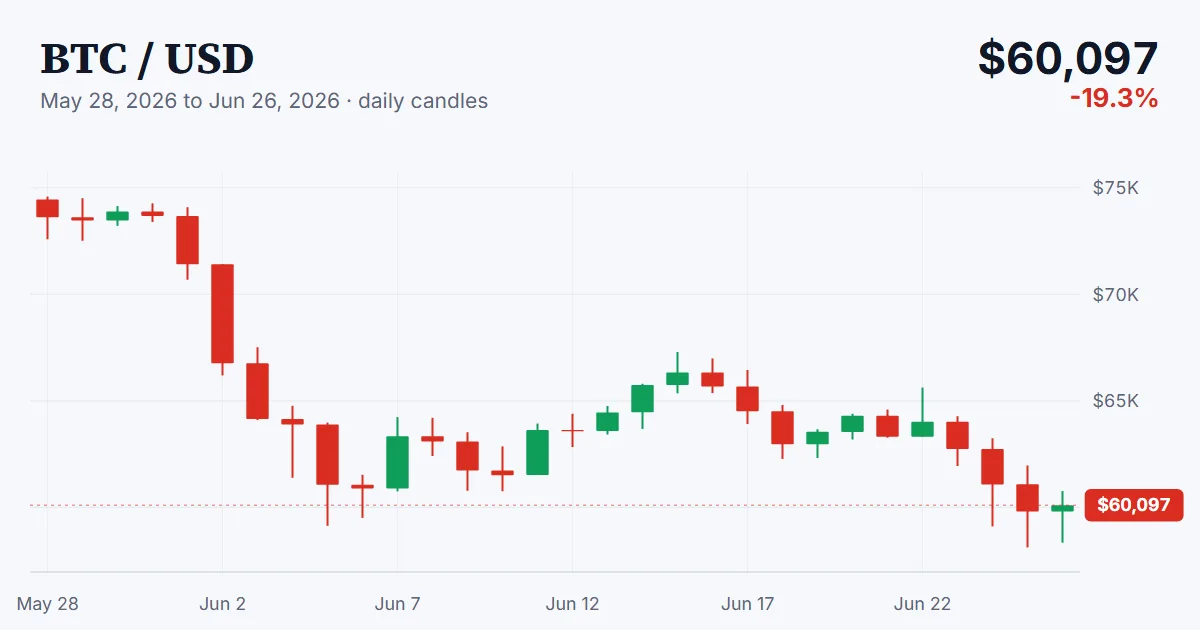
What slipped is everything tied to time. The delay was framed around market conditions, and June then delivered the worst crypto market since 2024, with Bitcoin under 60,000 and risk appetite rotating to AI equities. If weak markets justified March's postponement, June's justified it more.
For farmers the logic is uncomfortable. The launch condition is now effectively a market recovery, which neither OpenSea nor anyone else controls or can schedule.
Community-majority structure.
Set publicly.
Market conditions cited.
No new date, XP ticking.
Who the silence favors
XP seasons have continued while OpenSea's communications have stayed general about timing. Silence redistributes. Attention decays first among the least committed, and sybil operations, which farm with many fake wallets and price their effort weekly, exit early when a payoff date disappears. Every casual user who stops earning XP improves the relative position of whoever remains.
That is the one consolation of a delay: eligibility per unit of effort has probably never been better. Users still trading on OS2 in the fourth month are the profile that anti-sybil filters are designed to find and reward. This is our reading, and OpenSea has published no criteria.
Companies delay token launches for one reason: a token gets one debut, and a debut into weak demand damages brand and price floor at once. OpenSea watched this cycle's TGEs, the days tokens first trade, print early highs and bleed, as the mechanics in our tokenomics guide predict. It appears to prefer waiting to joining them. Frustrating and rational are not opposites.
What would signal a launch, and the risk in waiting
The risk on OpenSea's side deserves equal attention. Token promises age poorly. Every quarter of silence invites a competitor to launch first, tests the patience of the XP base and raises the bar the eventual event must clear, because a community made to wait grades the payout on the wait.
The 50 percent community figure was easy to announce and will be harder to defend through months of internal review while the market recovers. Commitments that big can shrink in committee, which is why we keep quoting the number in public.
A launch would show up in four places: tokenomics documentation, claim infrastructure on OpenSea's own domains, exchange listing announcements and a shift in XP season messaging. A market recovery would also help, since the delay was framed around market conditions. As of our July 2, 2026 check, OpenSea had published no tokenomics document and no claim infrastructure.
For anyone farming XP through the silence, the position is unchanged and cheap to hold: keep using the platform organically with historical wallets, as the steps on the tracker page describe. The delay has also given scammers a longer runway for fake claim links, and they have used it. No claim exists yet. When one does, OpenSea's own channels will announce it, and so will we.